
Feline Infectious Disease Care in Montclair, NJ
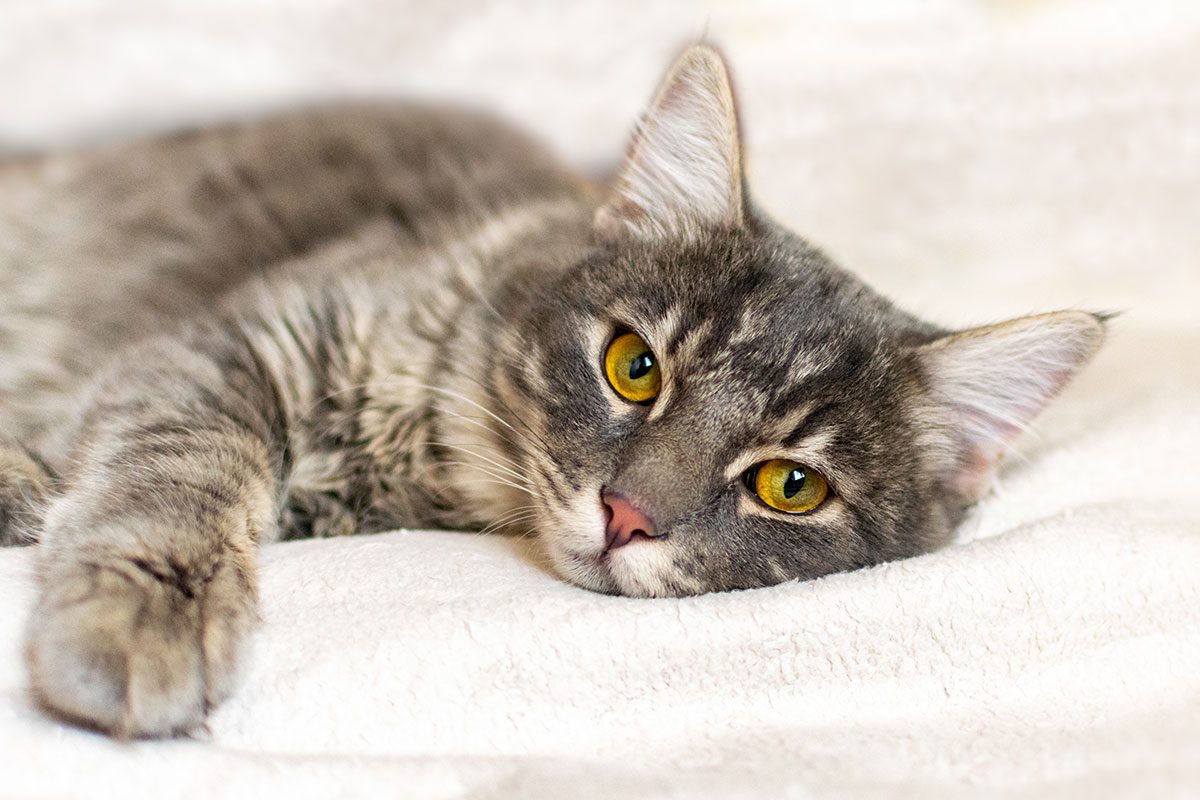


Cats often hide early signs of illness, which can make an infectious disease difficult to recognize at home. Cameron Animal Hospital provides feline infectious disease testing and care for cats with unexplained symptoms, possible exposure to infection, or an uncertain health history.
Our Montclair, NJ veterinarians evaluate cats for diseases such as feline leukemia virus (FeLV), feline immunodeficiency virus (FIV), Bartonella, feline infectious peritonitis (FIP), and toxoplasmosis. We use physical examinations, laboratory testing, imaging, and other diagnostic tools to identify the cause of a cat’s symptoms and determine the next steps in their care.
Call us at (973) 744-2052 or request an appointment online if your cat is sick or may have been exposed to an infectious disease.
When Should My Cat Be Tested for an Infectious Disease?
Testing may be recommended when a cat develops symptoms that cannot be explained by a routine illness or has a higher risk of exposure. Cats should also be screened for FeLV and FIV when they are newly adopted, have an unknown medical history, or have recently encountered a cat whose infection status is unknown.
Contact our veterinary team if your cat experiences:
-
Persistent fever
-
Reduced appetite or unexplained weight loss
-
Low energy or weakness
-
Pale gums
-
Enlarged lymph nodes
-
Ongoing vomiting or diarrhea
-
Eye inflammation or changes in vision
-
Breathing difficulties
-
Neurological symptoms, including poor balance or seizures
-
Recurring infections
-
Bite wounds or recent fights with other cats
-
Flea exposure
-
A swollen or fluid-filled abdomen
What Can I Expect with Feline Infectious Disease Testing?
Our veterinarian will begin by discussing your cat’s symptoms, lifestyle, vaccination history, travel history, and possible exposure to other animals. We will then perform a physical examination to look for fever, dehydration, weight loss, enlarged lymph nodes, oral inflammation, abdominal changes, eye abnormalities, and other signs of illness.
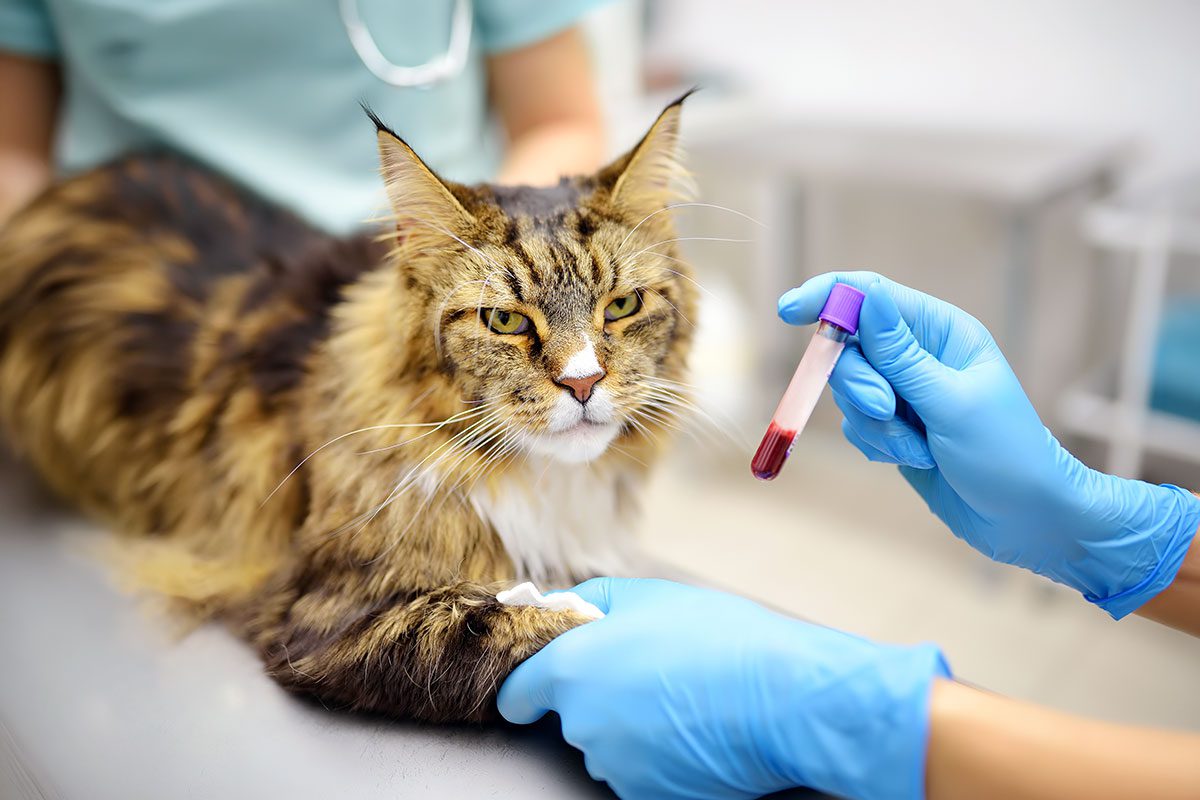
Depending on what we find, diagnostic testing may include:
-
In-house FeLV and FIV screening
-
Complete blood count and blood chemistry
-
Urinalysis
-
Fecal testing
-
Antibody or antigen testing
-
Polymerase chain reaction testing
-
Fluid or tissue sample analysis
-
Digital X-rays
-
Ultrasound performed by a visiting board-certified radiologist
-
Testing through outside specialty laboratories
Some infections cannot be confirmed through a single test. Our veterinarian may recommend repeat or confirmatory testing based on your cat’s symptoms, exposure timeline, and initial results.
What Are Common Infectious Diseases in Cats?
Vaccination, parasite prevention, and good hygiene can reduce your cat’s risk, but no cat is fully protected from infectious disease. Some of the conditions we evaluate include:
Feline Leukemia Virus
FeLV can weaken the immune system and increase the risk of anemia, recurring infections, and certain cancers. It spreads through close contact between cats, including grooming and shared food or water bowls.
Testing is often recommended for kittens, newly adopted cats, outdoor cats, and cats with possible exposure. We offer in-house FeLV screening and confirmatory testing when needed.
Feline Immunodeficiency Virus
FIV affects the immune system and spreads mainly through deep bite wounds. Outdoor cats and cats involved in fights may face a higher risk.
Many FIV-positive cats can live for years with routine monitoring and prompt care when health concerns arise. Repeat or confirmatory testing may be recommended based on your cat’s history and results.
Bartonella
Bartonella is a flea-associated bacterial infection that can also cause cat-scratch disease in people. Many infected cats show no symptoms, but some may develop fever, swollen lymph nodes, mouth inflammation, or eye problems.
Testing and treatment depend on your cat’s symptoms, flea history, and laboratory findings. Year-round flea prevention can help reduce exposure.
Feline Infectious Peritonitis
FIP develops when feline coronavirus changes within a cat and causes widespread inflammation. It is more common in kittens, young cats, and cats living in multi-cat environments.
Signs may include persistent fever, weight loss, reduced appetite, abdominal or chest fluid, eye inflammation, and neurological changes. Diagnosis often requires a combination of bloodwork, imaging, fluid analysis, and other testing.
Toxoplasmosis
Toxoplasmosis is caused by the parasite Toxoplasma gondii. Many infected cats never become sick, but kittens and cats with weakened immune systems may develop fever, breathing problems, eye inflammation, poor coordination, or seizures.
People can also contract toxoplasmosis. Pregnant individuals and those with weakened immune systems should speak with their physician about appropriate precautions.
How Are Feline Infectious Diseases Treated?
Treatment depends on the disease, the severity of your cat’s symptoms, and whether other medical problems are present. A care plan may include:
-
Medications directed at a specific infection
-
Treatment for secondary bacterial or parasitic infections
-
Fluids and nutritional care
-
Anti-inflammatory or pain-relieving medication
-
Management of nausea or appetite loss
-
Ongoing bloodwork and health monitoring
-
Referral for advanced or intensive care when appropriate
Some infectious diseases can be managed but not eliminated. In those cases, we focus on maintaining your cat’s comfort, addressing secondary illness early, and monitoring for changes over time.
Feline Care Backed by Advanced Diagnostic Resources
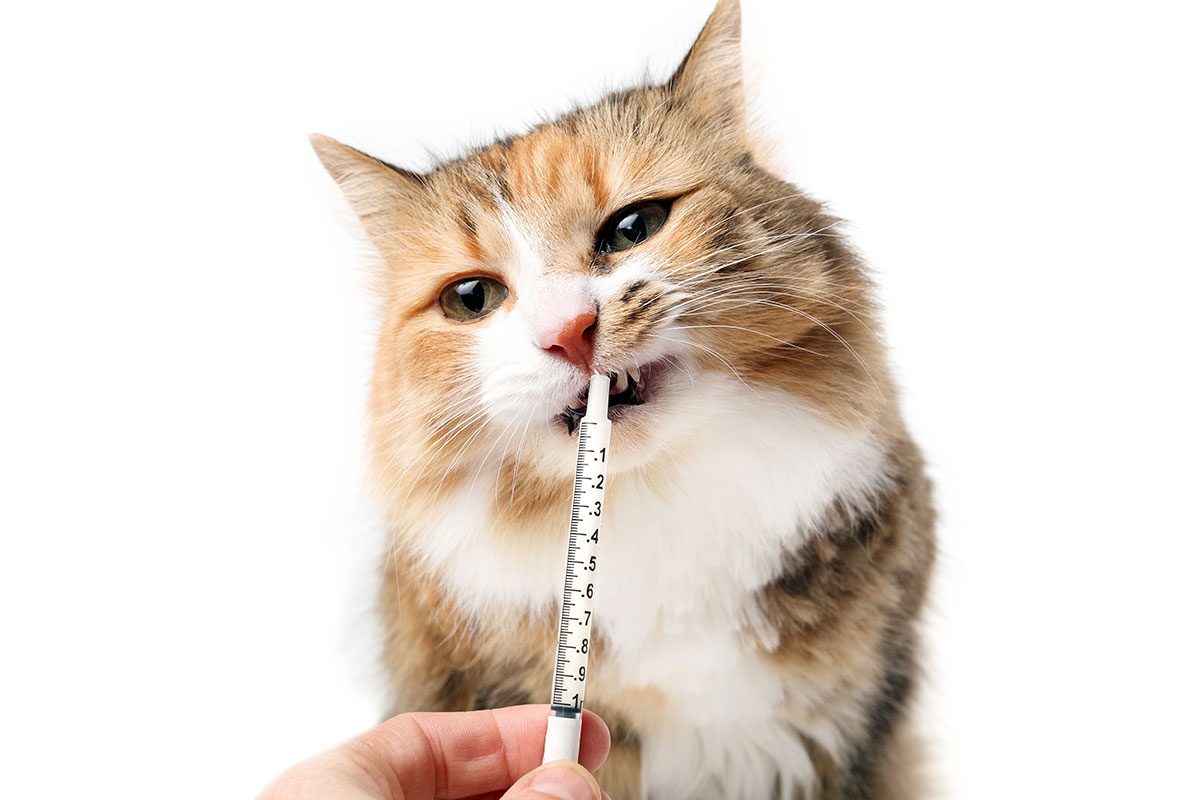
Infectious diseases can cause symptoms that overlap with many other feline health conditions. Cameron Animal Hospital combines hands-on feline care with in-house laboratory testing, twice-daily laboratory shipments, and access to nationwide specialty laboratories.
If your cat is showing unexplained symptoms or may have encountered an infectious disease, call (973) 744-2052 or request an appointment online.